
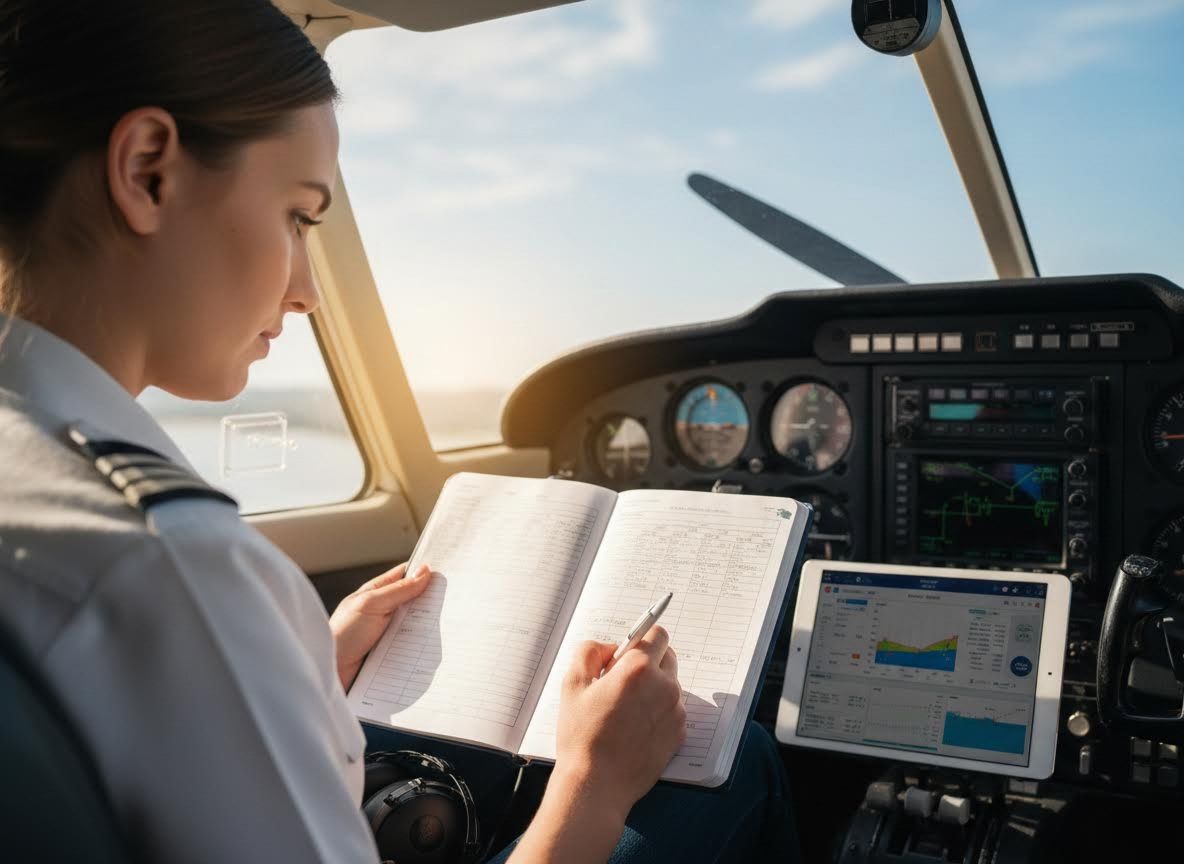
Accurately logging single-engine flight hours is a foundational aspect of a pilot's professional journey, essential for demonstrating experience and meeting the rigorous requirements for advanced certifications and airline positions. Proper documentation ensures that every hour contributes effectively to career progression and regulatory compliance. HighSky Aero is here to empower pilots with the knowledge and resources necessary to navigate these crucial steps efficiently.
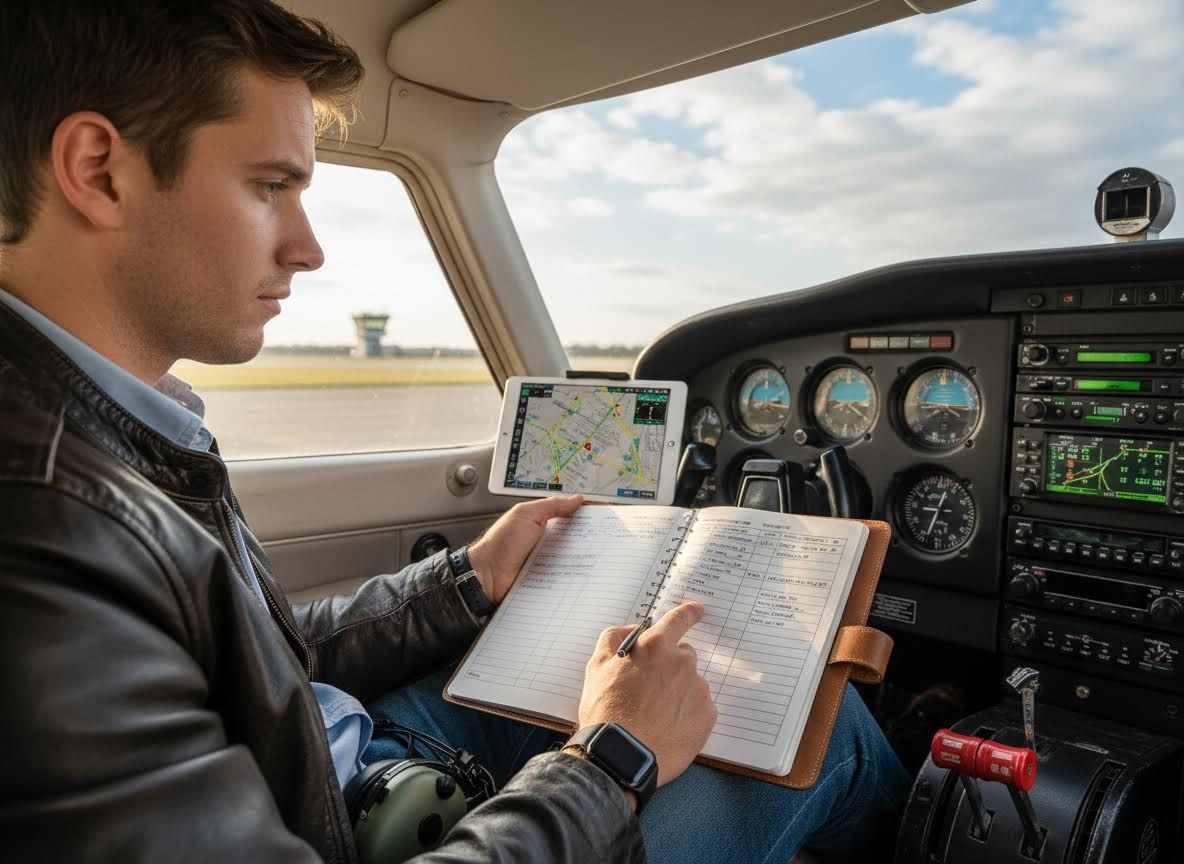
The Mandate of Accurate Logbook Keeping
The Federal Aviation Administration (FAA) and other regulatory bodies worldwide stipulate precise requirements for logging flight time. For single-engine aircraft, pilots must meticulously record specific details to ensure their hours are valid for certification, rating applications, and future employment. Understanding what constitutes pilot in command (PIC) time, dual instruction received, solo flight, and instrument time is critical. These classifications directly impact a pilot's eligibility for various aviation courses and subsequent pilot training programs. Incorrect or incomplete entries can lead to delays in certification or even invalidate valuable flight time, underscoring the necessity of diligent record-keeping from the outset of one's flight training.

Essential Components of a Valid Entry
Each entry in a pilot's logbook serves as an official record and must contain specific, verifiable information. For single-engine flights, this typically includes the date of the flight, the make and model of the aircraft, its registration number (tail number), the departure and arrival points, and the total duration of the flight. Beyond these basics, you need to categorize the time accurately, such as cross-country, night, actual instrument, simulated instrument, and especially pilot in command time. Any endorsements received, such as for specific maneuvers or checkride preparations, should also be noted. This detailed approach supports a comprehensive overview of a pilot's experience, crucial for demonstrating proficiency and meeting the prerequisites for advanced aviation courses and certificates.
Best Practices for Seamless Logbook Management
Maintaining an accurate and up-to-date logbook is a continuous responsibility that can significantly impact a pilot's career trajectory. One best practice is to log flights immediately after completion to ensure all details are fresh and accurate. Pilots should also understand the specific regulations for logging time in different operational contexts, such as during multi-engine add-on training or when operating under instrument flight rules. Leveraging modern digital logbook solutions can enhance efficiency and accuracy, offering features like automatic calculations and secure cloud storage!
Whether pursuing pilot training at our Arlington flight school or independently, meticulous record-keeping is a hallmark of a professional aviator. Adhering to regulatory standards and adopting best practices for logbook management ensures that every hour flown is properly documented and recognized. To explore structured programs that facilitate efficient and accurate flight time building, consider reviewing the comprehensive services offered at HighSky Aero.