
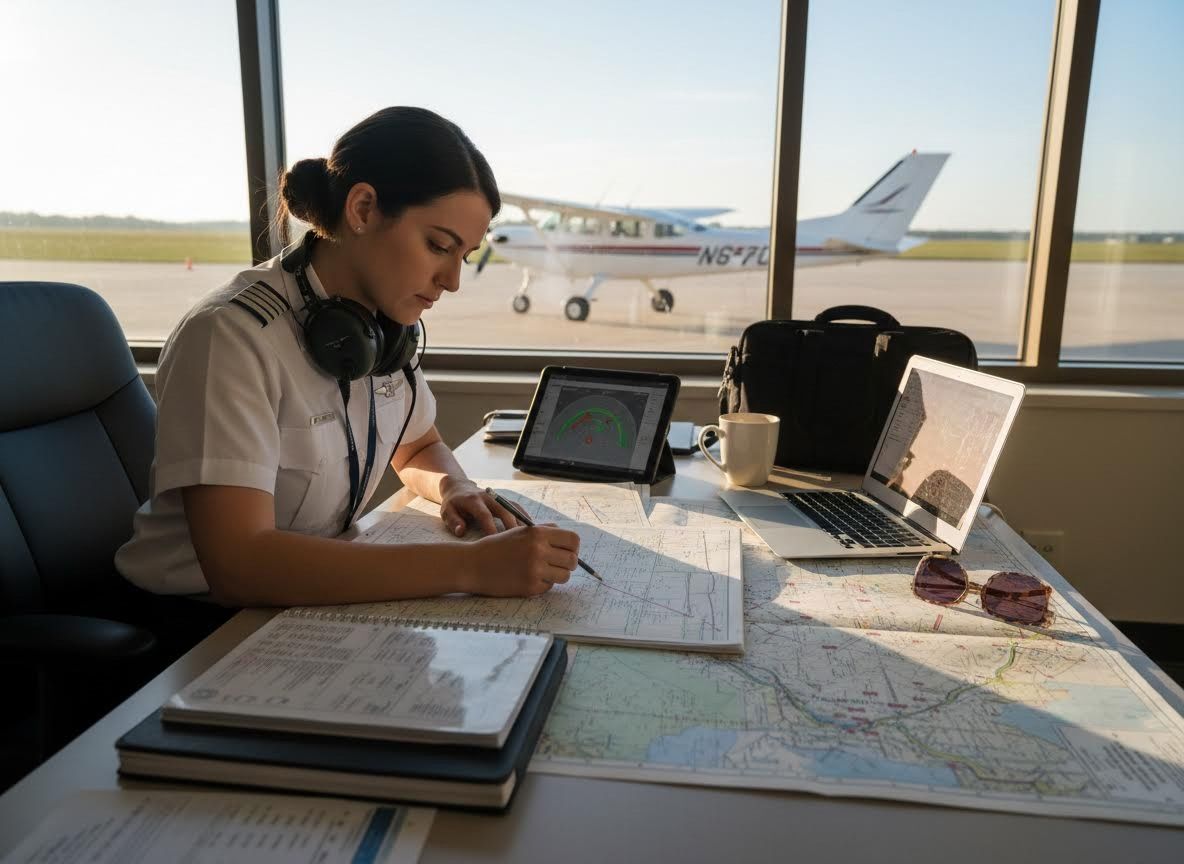
Embarking on your first solo multi-engine flight is a pivotal milestone in a pilot's professional journey, signifying a substantial leap in skill and responsibility. This achievement requires meticulous preparation, unwavering focus, and a deep understanding of multi-engine aircraft systems and aerodynamics. HighSky Aero recognizes the significance of this step and is committed to equipping pilots with the necessary knowledge and experience to confidently navigate this challenging yet rewarding phase of their aviation careers.

Comprehensive Ground Instruction and Systems Mastery
Before ever stepping into the cockpit for a solo multi-engine flight, a pilot must possess an exhaustive understanding of the aircraft's systems and multi-engine aerodynamics. This phase of pilot training involves comprehensive ground instruction, delving into topics such as critical engine failure procedures, asymmetric thrust management, and the nuances of multi-engine performance.
Thoroughly reviewing the aircraft’s Pilot Operating Handbook (POH) is not merely recommended but essential, covering emergency protocols, weight and balance calculations, and performance charts. Participation in advanced aviation courses focusing on multi-engine operations will solidify theoretical knowledge, ensuring that the pilot can anticipate and respond effectively to various scenarios, making them ready for the complexities of multi-engine flight training.
Developing Practical Proficiency and Emergency Readiness
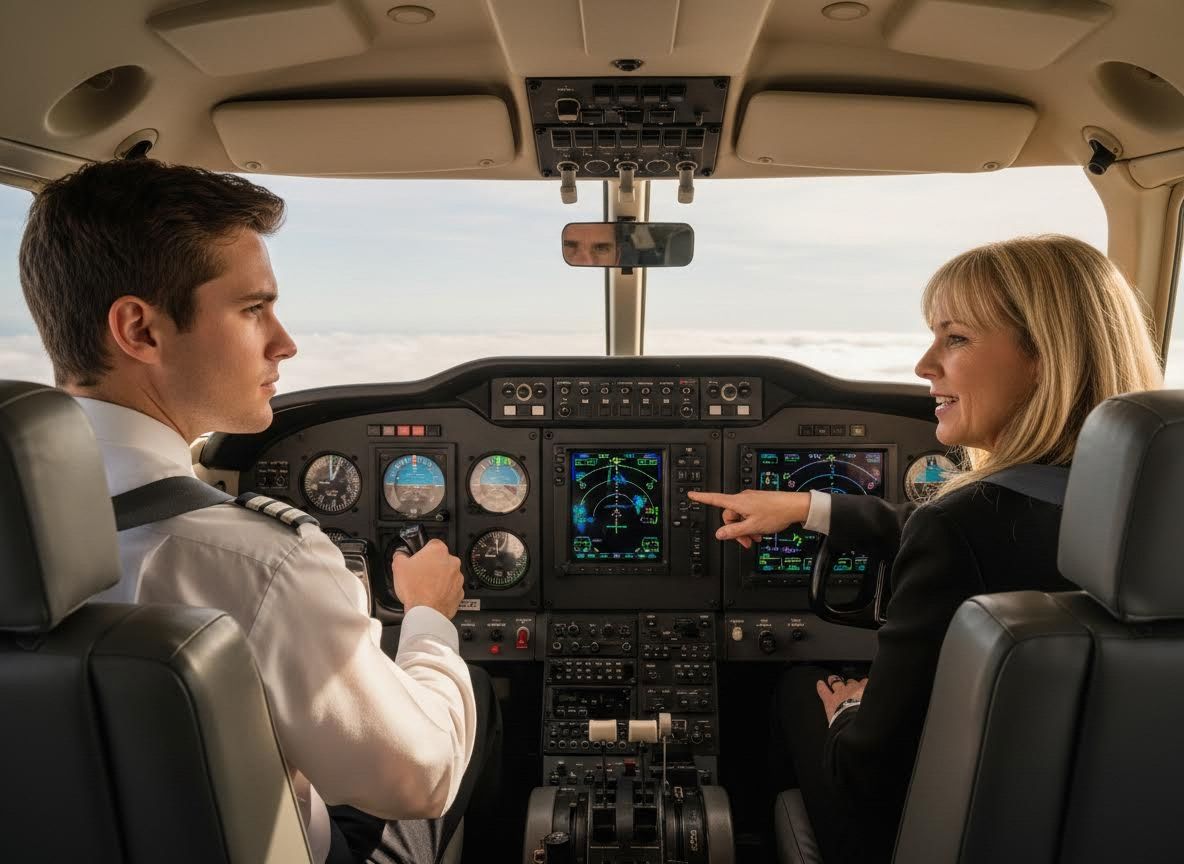
Transitioning from theoretical understanding to practical application demands extensive hands-on flight training. Under the guidance of experienced instructors, pilots must log sufficient flight time building proficiency in all critical multi-engine maneuvers, including engine-out procedures during various phases of flight, single-engine approaches, and landings. Simulator training can significantly enhance skill development, offering a safe environment to practice emergency procedures and decision-making under pressure. The emphasis here is not just on performing maneuvers correctly but on demonstrating a consistent and confident command of the aircraft, especially when simulating critical failures.
Meticulous Pre-Flight Planning and Mental Acuity
The success of a solo multi-engine flight hinges as much on meticulous pre-flight planning as it does on physical piloting skills. Prior to departure, a pilot must engage in comprehensive weather analysis, evaluate NOTAMs, conduct thorough route planning, and perform detailed weight and balance and performance calculations. Every item on the pre-flight checklist must be addressed with precision.
Beyond the technical aspects, mental preparation is equally vital. Visualizing the flight, including potential contingencies and emergency responses, helps to cultivate a calm and focused mindset. This stage of preparation reinforces the importance of professionalism and self-reliance, ensuring that the pilot is not only technically capable but also mentally prepared for the demands of flying a multi-engine aircraft alone.
The journey to your first solo multi-engine flight is a testament to your dedication and the rigorous flight training you have undertaken. It represents a significant advancement in your capabilities, marking your readiness to operate more complex aircraft independently. By focusing on comprehensive ground instruction, practical skill development, and meticulous pre-flight planning, pilots can approach this milestone with confidence and competence. HighSky Aero is proud to support pilots throughout their career progression, providing affordable and accessible resources for flight time building and advanced multi-engine training. To explore how we can assist you in reaching your aviation goals, get in touch with us today!