
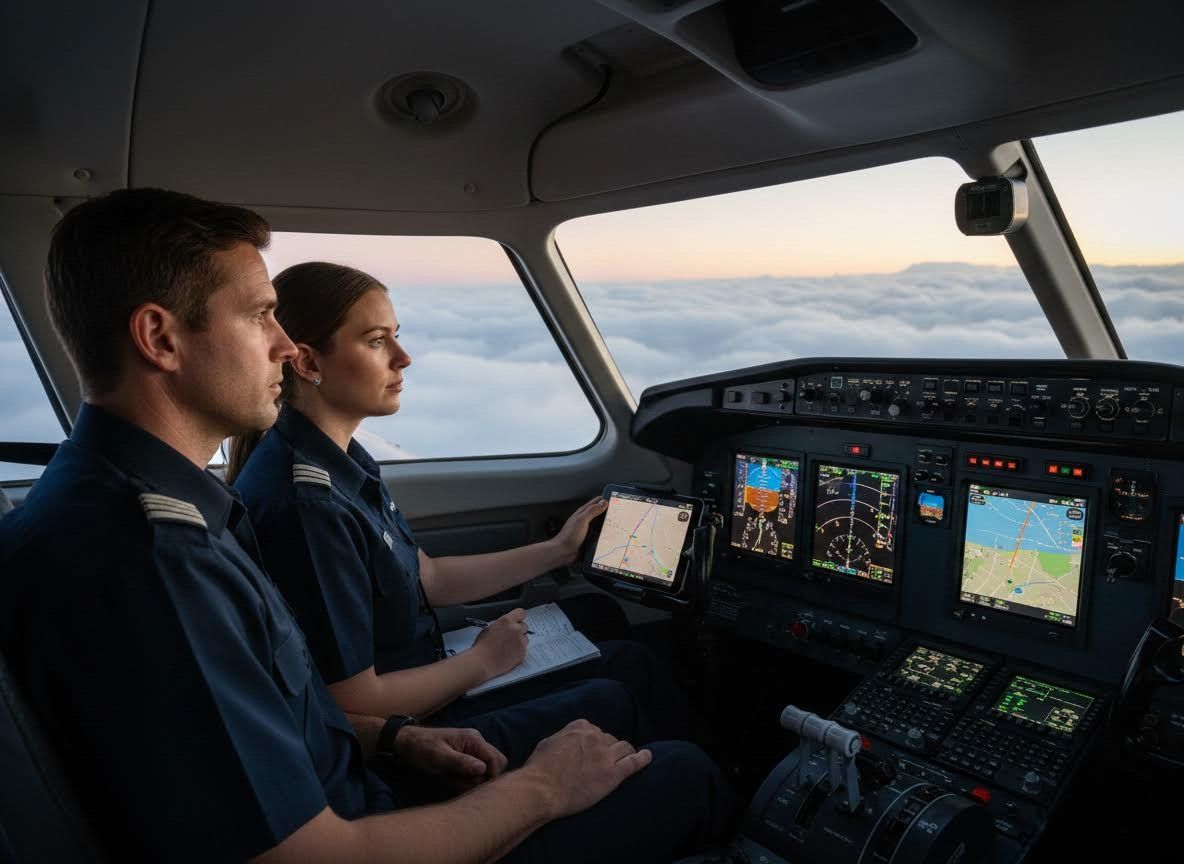
For aspiring and current pilots, maintaining peak instrument proficiency is not merely a regulatory requirement but a cornerstone of safe and effective flight operations. This critical skill allows aviators to navigate challenging weather conditions and complex airspace with precision and confidence. Strategic flight time building offers an invaluable pathway to not only accumulate necessary hours but also to intensively refine these essential instrument flying capabilities. At HighSky Aero, we understand the direct correlation between consistent practice and expert performance in the cockpit.
The Importance of Instrument Proficiency
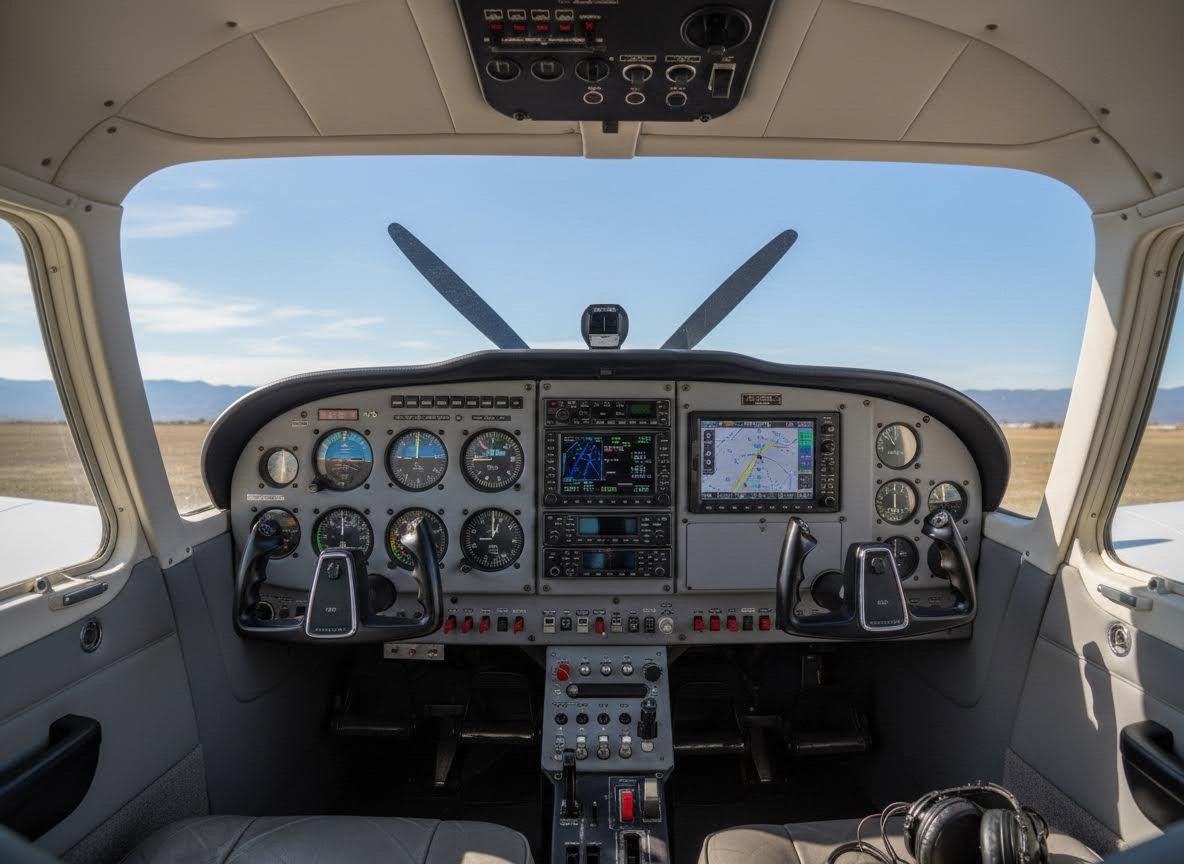
Instrument proficiency transcends basic flight skills, representing a pilot's ability to control an aircraft solely by reference to instruments. This capability is vital for operating in Instrument Meteorological Conditions (IMC) and ensures safe operations under various demanding circumstances. Regulatory bodies mandate regular instrument currency, typically requiring specific approaches and hours within a defined period, emphasizing the continuous need for practice. Sustaining a high level of proficiency minimizes risks and enhances decision-making, which are paramount for any professional pilot seeking career advancement.
Integrating Instrument Practice into Flight Time Building
Flight time building is often viewed as a means to accumulate hours for certifications, but it also presents a prime opportunity for targeted instrument practice. Pilots can intentionally plan flights under simulated or actual instrument conditions, whether by flying with a safety pilot or engaging in instrument flight rules (IFR) routes. This approach allows for repetitive exposure to instrument approaches, holding patterns, and complex navigation scenarios.

Structured Programs and Advanced Instrument Skill Development
Beyond independent practice, structured aviation courses can significantly amplify the benefits of flight time building for instrument proficiency. Many pilot training programs offer specialized modules focusing on advanced instrument flight techniques. Participating in these programs available through an Arlington flight school can provide invaluable instruction and feedback. For instance, multi-engine add-on programs inherently involve significant instrument work, as multi-engine aircraft are typically flown under IFR. Such dedicated flight training pathways ensure that every hour logged maximizes skill development.
Consistent and strategic application of flight time building is undeniably instrumental in achieving and maintaining superior instrument proficiency, a non-negotiable asset for any pilot. By leveraging opportunities to fly under instrument conditions and integrating structured learning, pilots can significantly sharpen their skills and confidently meet the rigorous demands of modern aviation. HighSky Aero is committed to facilitating this critical development, providing accessible solutions for pilots to refine their instrument capabilities. Discover how our tailored programs can empower your journey toward mastering instrument flight and advancing your professional aviation career!