
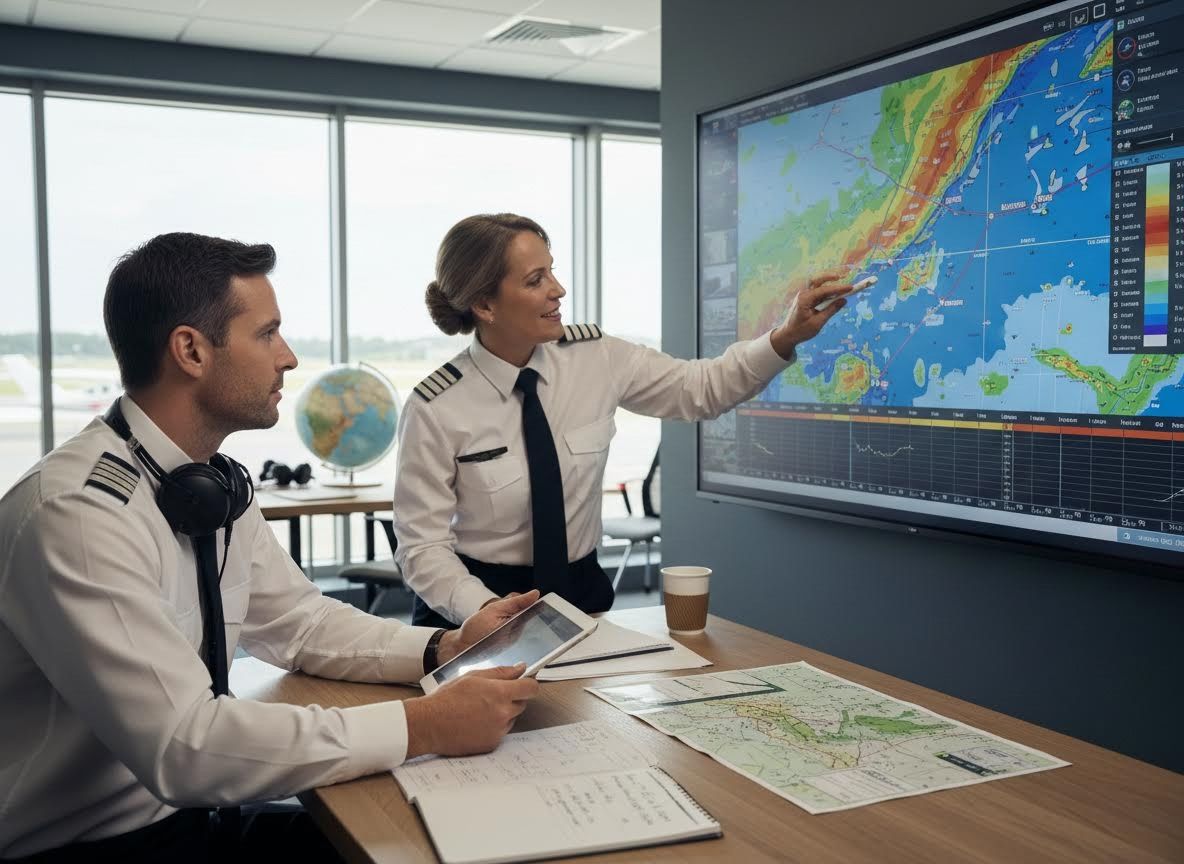
In the dynamic world of aviation, meticulous preparation is not merely a recommendation; it is an absolute necessity. Understanding weather briefings and comprehensive flight planning forms the bedrock of safe and efficient flight operations, crucial for every pilot, from student to seasoned professional. This foundational knowledge ensures that pilots can anticipate challenges, mitigate risks, and make informed decisions throughout their journey, a principle HighSky Aero deeply embeds in the services it provides to aspiring aviators.
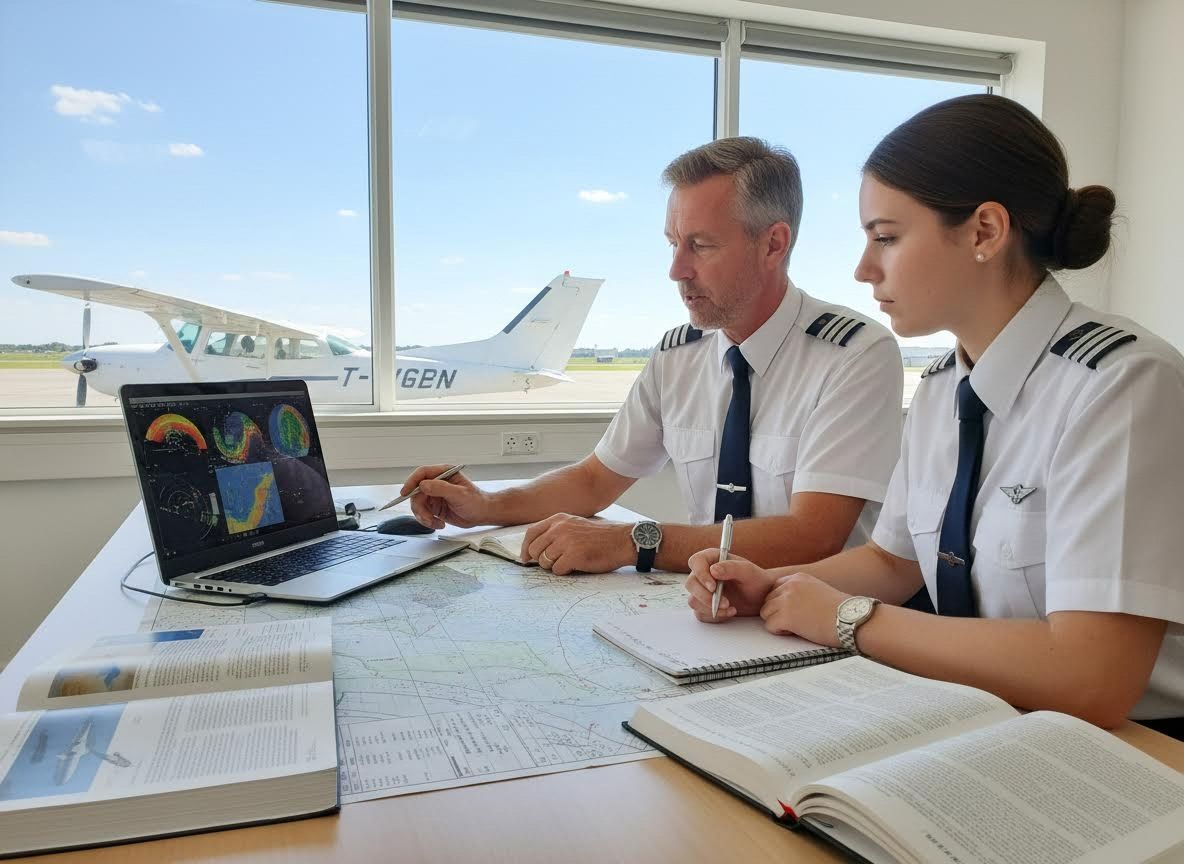
The Indispensable Role of Pre-Flight Weather Briefings
Before any aircraft leaves the ground, a thorough pre-flight weather briefing is crucial. This critical step provides pilots with the most current and forecasted meteorological conditions pertinent to their intended flight path and destination. Accessing information from sources such as Flight Service Stations (FSS) or specialized weather applications allows pilots to obtain standard, abbreviated, or outlook briefings tailored to their needs. These briefings detail everything from adverse weather phenomena like thunderstorms, icing, and turbulence to visibility, ceiling heights, and wind conditions. For anyone engaged in pilot training, mastering the interpretation of these reports is a core component of developing sound aeronautical decision-making.
Crafting a Robust Flight Plan
Beyond weather analysis, an effective flight plan encompasses a multitude of operational considerations. This involves selecting an optimal route, calculating precise fuel requirements, assessing aircraft performance under various conditions, and establishing a detailed navigation log. Pilots must account for factors such as weight and balance, runway lengths, terrain, and airspace restrictions. For individuals pursuing aviation courses, these exercises are integral to understanding the practical application of theoretical knowledge.

Integrating Weather Intelligence into Your Flight Strategy
The true art of flight planning lies in the seamless integration of weather intelligence into every aspect of the strategy. A pilot must not only know the weather but also understand its potential impact on the flight. For instance, strong headwinds might necessitate additional fuel or an alternate route, while forecast icing conditions could mandate a change in altitude or even a delay. Proactive decision-making, based on a holistic understanding of weather and operational factors, is key to maintaining safety and efficiency.
Adapt to Evolving Conditions
A flight plan is not a static document; it is a living guide that requires continuous monitoring and potential adaptation. Weather can be unpredictable, and conditions can change rapidly en route. Pilots must maintain situational awareness throughout the flight, utilizing in-flight weather updates and communication with air traffic control to stay informed. This adaptive mindset, cultivated through rigorous flight time building and practical experience, ensures that pilots are always prepared to respond effectively to any meteorological developments.
Meticulous weather briefings and comprehensive flight planning are not just regulatory requirements but essential skills that elevate a pilot's proficiency and ensure the highest standards of safety. Mastering these elements is a cornerstone of effective pilot training and continuous professional development. To further enhance your capabilities and apply these crucial skills in a practical setting, we invite you to explore HighSky Aero's resources designed to support your flight time building and career advancement.